Frozen Shoulder Explained: Causes, Symptoms & Top Treatments
Frozen shoulder, also known as adhesive capsulitis or periarthritis of the shoulder, is a common condition affecting people between the ages of 40 and 60. It is characterised by pain and stiffness in the shoulder joint, making everyday tasks like combing hair, reaching the back, or dressing extremely difficult. If left untreated, the condition can last for up to 1.5 years, significantly impacting your quality of life.
In this blog, we’ll explore the causes, symptoms, stages, diagnostic methods, and treatment options for frozen shoulder—along with expert care available at Dr. Akshay's Orthopaedic Clinic in Bangalore.
What is Frozen Shoulder?
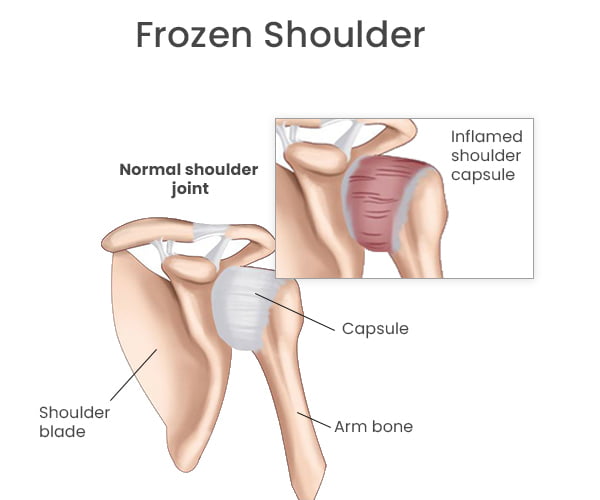
Frozen shoulder occurs when the soft tissues surrounding the shoulder joint become inflamed and thickened, leading to restricted movement and pain. This tightening and scarring of the joint capsule is what gives the condition its “frozen” nature. It typically affects one shoulder and is more common in individuals aged 40 to 60 years.
Common Symptoms of Frozen Shoulder
- Persistent shoulder pain
- Stiffness and restricted range of motion
- Difficulty performing daily tasks like:
-
- 1. Reaching overhead
- 2. Combing hair
- 3. Reaching behind the back
- Pain that worsens at night or with inactivity
Causes and Risk Factors
While the exact cause is often unclear, frozen shoulder can develop due to:
- Prolonged immobility (e.g., after surgery or injury)
- Diabetes
- Thyroid disorders
- Shoulder injuries
- Previous shoulder surgeries
Stages of Frozen Shoulder
- Freezing Stage: Pain increases gradually, and movement becomes increasingly limited.
- Frozen Stage: Pain may decrease, but stiffness becomes more severe, significantly affecting mobility.
- Thawing Stage: Gradual improvement in shoulder movement and reduced pain over time.
Diagnosis
Proper diagnosis is crucial for effective treatment. At Dr. Akshay's Orthopaedic Clinic in Bangalore, advanced imaging techniques such as MRI and ultrasound are used to confirm the diagnosis and rule out other shoulder conditions.
Treatment Options for Frozen Shoulder
Most cases of frozen shoulder can be treated non-surgically. Treatment may include:
- Physical therapy to restore movement
- Anti-inflammatory medications
- Steroid injections to reduce inflammation
- Heat therapy and stretching exercises
- Arthroscopic capsular release in severe cases
Why Choose Dr. Akshay’s Orthopaedic Clinic for Frozen Shoulder Treatment in Bangalore?
Dr. Akshay’s Orthopaedic Clinic offers personalised and evidence-based treatment plans for frozen shoulder. With expert diagnosis, advanced imaging support, and minimally invasive surgical options (if needed), you receive comprehensive care tailored to your condition.
Contact Details:
📍 1, 5th Main Rd, 15th A cross, Dollars Colony, R.M.V. 2nd
Stage, Bengaluru, Karnataka 560094
📍 +91 8951806936
📍
drakshaysorthoclinic.com
Frozen shoulder is a painful yet manageable condition when diagnosed early and treated correctly. Whether you're in the early freezing stage or dealing with persistent stiffness, seeking expert care from an orthopaedic specialist like Dr. Akshay can make all the difference.